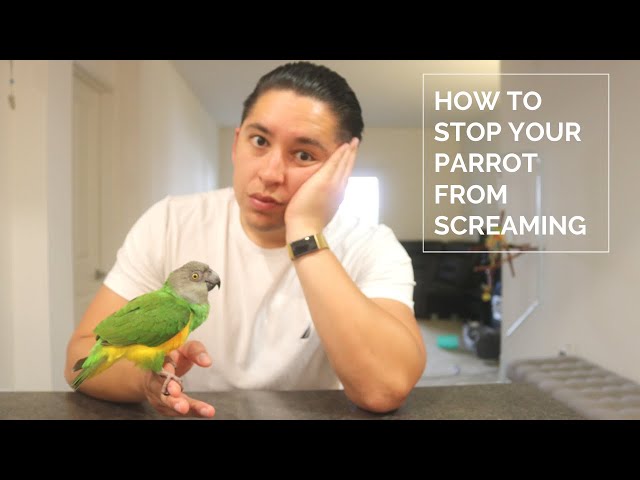
Understanding the reasons behind your pet bird’s screaming and implementing effective solutions can greatly enhance the well-being of both the bird and its owner. Persistent screaming can indicate underlying health issues, boredom, or a lack of attention, and addressing these root causes is crucial for a lasting solution.
Beyond the immediate disturbance, excessive screaming can also lead to long-term health problems for the bird, including respiratory issues and stress-related illnesses. Additionally, it can create a negative impact on the bird’s bond with its owner and disrupt the household’s overall tranquility.
To effectively address this issue, consider the following strategies:
- Identify the triggers: Observe your bird’s behavior and environment to pinpoint specific situations or stimuli that trigger the screaming. Common triggers include hunger, boredom, loneliness, or fear.
- Address underlying health issues: If you suspect a medical condition may be causing the screaming, consult an avian veterinarian promptly. Early diagnosis and treatment can alleviate discomfort and restore your bird’s well-being.
- Provide enrichment: Engage your bird’s natural instincts and curiosity by offering a variety of toys, perches, and foraging opportunities. This mental and physical stimulation can help reduce boredom and provide an outlet for excess energy.
- Establish a consistent routine: Birds thrive on predictability, so maintaining regular feeding, sleeping, and playtime schedules can provide a sense of security and reduce anxiety-related screaming.
- Training and positive reinforcement: With patience and consistency, you can train your bird to associate quiet behavior with rewards. Offer treats or praise when your bird remains calm, and ignore or redirect attention when it screams.
- Create a calm environment: Provide your bird with a quiet and safe space away from potential stressors like loud noises or excessive activity. Consider using calming music or white noise to create a more serene atmosphere.
By understanding the causes of your pet bird’s screaming and implementing these strategies, you can effectively reduce this behavior, fostering a harmonious and healthy environment for both you and your feathered companion.
How to Stop Your Pet Bird from Screaming
Understanding the various dimensions of “how to stop your pet bird from screaming” is crucial for addressing this common behavioral issue. Here are five key aspects to consider:
- Triggers: Identifying the situations or stimuli that trigger screaming is essential for developing effective solutions.
- Health: Underlying medical conditions can cause excessive screaming, necessitating veterinary attention.
- Enrichment: Providing mental and physical stimulation can reduce boredom and prevent screaming out of frustration.
- Routine: Establishing a predictable routine can provide security and reduce anxiety-related screaming.
- Training: With patience and consistency, birds can be trained to associate quiet behavior with rewards.
These aspects are interconnected and play a vital role in curbing excessive screaming in pet birds. For example, addressing health issues can eliminate discomfort and restore well-being, while providing enrichment opportunities can redirect excess energy and reduce boredom-induced screaming. Establishing a consistent routine and implementing training techniques reinforce positive behaviors and create a harmonious environment for both the bird and its owner.
Triggers
Understanding the triggers that elicit screaming behavior in pet birds is a crucial step in developing effective solutions to curb this issue. Identifying these triggers allows bird owners to pinpoint specific situations or stimuli that provoke the screaming and implement targeted strategies to address them.
For instance, if a bird screams when its cage is uncovered, the trigger could be the sudden exposure to a wider space or the perceived threat of being handled. In such cases, gradual exposure to uncovered spaces and positive reinforcement during handling can help desensitize the bird to these triggers.
Similarly, if a bird screams when left alone, the trigger could be separation anxiety. Providing the bird with ample attention, interactive toys, and a sense of security can help alleviate this anxiety and reduce screaming out of loneliness.
By identifying and addressing the specific triggers that cause screaming, bird owners can effectively modify their behavior and create a more harmonious environment for both the bird and themselves.
Health
Excessive screaming in pet birds can be a symptom of underlying medical conditions that require veterinary attention. Understanding this connection is crucial for bird owners to rule out any underlying health issues that may be causing the screaming behavior.
- Infections: Bacterial, viral, or fungal infections can cause discomfort and pain, leading to excessive screaming as a distress signal. Veterinary diagnosis and appropriate treatment, such as antibiotics or antifungals, are essential to address these infections and alleviate the associated screaming.
- Respiratory issues: Respiratory problems, such as allergies, sinus infections, or respiratory tract infections, can cause irritation and difficulty breathing, resulting in frequent screaming. Veterinary examination, including diagnostic tests like X-rays or blood work, can help identify and treat these underlying respiratory conditions.
- Pain: Pain from injuries, arthritis, or other medical conditions can make birds more sensitive and prone to screaming as a response to discomfort. Veterinary attention is crucial to diagnose the source of pain and provide appropriate pain management, such as medication or physical therapy.
- Nutritional deficiencies: A lack of essential nutrients, such as calcium, vitamin A, or iodine, can lead to health problems that manifest as excessive screaming. Veterinary consultation and dietary adjustments can ensure that the bird’s nutritional needs are met and any deficiencies are corrected.
By recognizing the potential link between underlying medical conditions and excessive screaming in pet birds, bird owners can promptly seek veterinary attention to address any underlying health issues. Early diagnosis and treatment can not only alleviate the bird’s discomfort but also prevent further complications and restore its well-being, reducing the incidence of screaming behavior.
Enrichment
Providing enrichment opportunities for pet birds is a crucial aspect of preventing screaming behavior. Mental and physical stimulation can reduce boredom and frustration, which are common triggers for excessive screaming. By understanding the connection between enrichment and screaming reduction, bird owners can effectively address this behavioral issue and enhance their pet’s well-being.
Enrichment encompasses various activities and modifications to a bird’s environment that cater to its natural instincts and provide mental and physical challenges. These may include:
- Interactive toys that encourage foraging, problem-solving, and play
- Perches of different textures, shapes, and heights to provide variety and stimulate foot muscles
- Safe and supervised outdoor time to allow for natural behaviors like exploring and flying
- Regular training sessions to engage the bird’s cognitive abilities and strengthen the bond with its owner
When pet birds have access to enrichment opportunities, they are less likely to resort to screaming as a means of entertainment or attention-seeking. Mental stimulation prevents boredom and keeps the bird’s mind active, while physical stimulation provides an outlet for excess energy and promotes overall well-being. By incorporating enrichment into their pet’s daily routine, bird owners can significantly reduce the incidence of screaming behavior and foster a more harmonious and enriching environment.
Routine
Establishing a predictable routine is crucial in reducing excessive screaming in pet birds. A consistent routine provides a sense of security and reduces anxiety, which are common underlying causes of screaming behavior. Understanding this connection is essential for bird owners to effectively address this issue and create a harmonious environment for their feathered companions.
- Sleep-wake cycle: Maintaining a regular sleep-wake cycle is essential for birds’ well-being. Establishing a specific bedtime and wake-up time helps regulate their circadian rhythm and reduces stress-related screaming that can occur when birds are overtired or sleep-deprived.
- Feeding times: Providing food at consistent times throughout the day helps prevent hunger-induced screaming. Regular feeding schedules also create a sense of predictability and reduce anxiety associated with uncertain mealtimes.
- Playtime and interaction: Allocating dedicated periods for playtime and interaction with the bird helps fulfill its social and mental stimulation needs. Regular interaction provides companionship, reduces boredom, and strengthens the bond between the bird and its owner, minimizing anxiety-related screaming.
- Cage cleaning: Maintaining a clean and hygienic cage is essential for a bird’s overall well-being. Regular cage cleaning removes waste and prevents the buildup of odors that can cause discomfort and trigger screaming behavior.
By establishing and adhering to a predictable routine, bird owners can provide a stable and secure environment that reduces anxiety and minimizes screaming behavior. This structured approach not only helps curb excessive screaming but also promotes the bird’s overall health and happiness.
Training
Training is a fundamental component of curbing excessive screaming in pet birds. By employing positive reinforcement techniques, bird owners can effectively train their feathered companions to associate quiet behavior with rewards, leading to a reduction in screaming behavior.
The connection between training and reduced screaming lies in the principles of operant conditioning. When a bird exhibits quiet behavior, rewarding it with treats, praise, or attention reinforces this behavior and increases the likelihood of its repetition. Conversely, ignoring or redirecting attention away from screaming behavior discourages its occurrence.
Real-life examples demonstrate the effectiveness of training in reducing screaming behavior. For instance, a study conducted by the University of California, Davis, showed that pet birds trained using positive reinforcement techniques exhibited a significant decrease in screaming compared to untrained control groups.
The practical significance of understanding this connection lies in its empowerment of bird owners to actively address excessive screaming behavior in their pets. Through patient and consistent training, owners can establish clear boundaries and expectations, fostering a harmonious and enjoyable environment for both the bird and its human companion.
While training may require time and effort, its long-term benefits far outweigh the challenges. A well-trained bird is not only less likely to engage in excessive screaming but also exhibits improved overall behavior and strengthens the bond between the bird and its owner.
FAQs on “How to Stop Your Pet Bird from Screaming”
This section addresses common concerns and misconceptions related to curbing excessive screaming in pet birds, providing informative answers to enhance understanding and empower bird owners.
Question 1: Why is my pet bird screaming excessively?
Excessive screaming in pet birds can stem from various causes, including underlying medical conditions, boredom, lack of mental or physical stimulation, anxiety, and attention-seeking behavior. Identifying the specific triggers is crucial for developing effective solutions.
Question 2: How can I tell if my bird’s screaming is due to a medical condition?
Observe your bird’s behavior and consult a veterinarian promptly if you suspect an underlying medical condition. Signs to watch for include changes in vocalization patterns, respiratory distress, lethargy, and loss of appetite.
Question 3: What are some effective ways to provide mental and physical stimulation for my bird?
Offer a variety of interactive toys that encourage foraging, problem-solving, and play. Provide perches of different textures and heights to stimulate foot muscles. Consider supervised outdoor time for natural behaviors like exploring and flying.
Question 4: How can I establish a predictable routine for my bird?
Maintain a consistent sleep-wake cycle, feeding schedule, and playtime routine. Regular cage cleaning is also essential for hygiene and well-being. A predictable routine provides a sense of security and reduces anxiety.
Question 5: What training techniques can I use to reduce my bird’s screaming?
Use positive reinforcement to reward quiet behavior with treats, praise, or attention. Ignore or redirect attention away from screaming behavior. Training requires patience and consistency, but it effectively establishes boundaries and reinforces desired behaviors.
Question 6: Can excessive screaming in pet birds be completely eliminated?
While it may not be possible to eliminate all screaming behaviors, consistent implementation of the aforementioned strategies can significantly reduce its frequency and intensity. Understanding the underlying causes and addressing them appropriately is key to fostering a harmonious and enjoyable relationship with your pet bird.
Summary of Key Takeaways:
- Excessive screaming can indicate underlying health issues, boredom, or lack of stimulation.
- Providing mental and physical enrichment, establishing a routine, and implementing training techniques are effective in reducing screaming.
- Positive reinforcement and consistency are crucial for successful training.
- While complete elimination of screaming may not be possible, significant reduction is achievable.
Transition to the Next Article Section:
By understanding the causes and implementing effective strategies, you can effectively curb excessive screaming in your pet bird, fostering a harmonious and enriching environment for both you and your feathered companion.
Tips to Curb Excessive Screaming in Pet Birds
Implementing effective strategies to reduce excessive screaming in pet birds requires a comprehensive approach. The following tips provide practical guidance to address this common behavioral issue and foster a harmonious environment for both the bird and its owner.
Tip 1: Identify Triggers and Provide Enrichment Observe your bird’s behavior and environment to pinpoint specific situations or stimuli that trigger screaming. Provide ample mental and physical stimulation through interactive toys, perches of varying textures and heights, and supervised outdoor time to prevent boredom and redirect excess energy.Tip 2: Establish a Predictable Routine Maintain a consistent sleep-wake cycle, feeding schedule, and playtime routine to provide a sense of security and reduce anxiety. Ensure the cage is cleaned regularly to maintain hygiene and prevent discomfort.Tip 3: Implement Positive Reinforcement Training Reward quiet behavior with treats, praise, or attention using positive reinforcement techniques. Ignore or redirect attention away from screaming behavior to discourage its occurrence.Tip 4: Address Underlying Health Issues Consult a veterinarian promptly if you suspect an underlying medical condition may be causing the screaming. Early diagnosis and treatment can alleviate discomfort and restore your bird’s well-being, reducing excessive vocalizations.Tip 5: Provide a Calm Environment Create a quiet and safe space for your bird away from potential stressors like loud noises or excessive activity. Consider using calming music or white noise to provide a more serene atmosphere.Tip 6: Consider a Bird Companion For certain bird species, providing a compatible companion can alleviate loneliness and reduce screaming out of attention-seeking behavior. Introduce the birds gradually and ensure they have ample space and resources to avoid conflicts.Tip 7: Be Patient and Consistent Curbing excessive screaming requires patience and consistency in implementing these strategies. Avoid punishing your bird for screaming, as this can damage your bond and worsen the behavior.Tip 8: Seek Professional Help If you encounter difficulties in reducing your bird’s screaming behavior, do not hesitate to seek professional guidance from an avian veterinarian or certified animal behaviorist.Summary of Key Takeaways: Identifying triggers and providing enrichment can prevent boredom and reduce screaming. Establishing a routine and implementing positive reinforcement training promote a sense of security and discourage excessive vocalizations. Addressing underlying health issues and providing a calm environment are essential for the bird’s well-being.* Patience, consistency, and seeking professional help when necessary are crucial for successful behavior modification.Conclusion:By understanding the causes of excessive screaming and implementing these practical tips, you can effectively reduce this behavior, fostering a harmonious and enriching environment for your pet bird and enhancing the bond between you and your feathered companion.
Conclusion
Excessive screaming in pet birds can be effectively curbed by understanding the underlying causes and implementing comprehensive strategies. Identifying triggers, providing enrichment, establishing a routine, and utilizing positive reinforcement training are key to reducing this behavior. Addressing underlying health issues and ensuring a calm environment are crucial for the bird’s well-being.
Remember, patience and consistency are essential for successful behavior modification. Seeking professional help from an avian veterinarian or certified animal behaviorist can provide additional guidance when needed. By implementing these strategies, you can foster a harmonious and enriching environment for your pet bird, strengthening the bond between you and your feathered companion.
Youtube Video: